Bright mornings get you going. Soft, warm evenings help you wind down. The shift between them is one of the simplest sleep habits you can build.
Bright light in the morning switches your brain into daytime mode. That is why stepping outside shortly after waking often beats another coffee — you are not forcing alertness, you are confirming that the day has started.
Outdoor light is dramatically brighter than anything indoors. Even a cloudy Queensland morning gives your eyes far more light than ceiling bulbs. You do not need direct sun on your face — standing on the balcony or footpath is enough.
Aim for ten to twenty minutes outside within half an hour of your wake-up time. Pair it with a short walk and you cover light and daytime activity in one go. Along the Sunshine Coast, east-facing spots work well year-round.
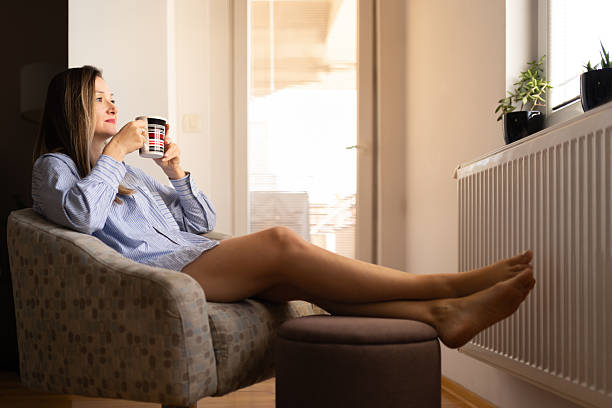
As evening arrives, your body expects less light and warmer tones. Modern homes fight that with bright white LEDs and glowing screens that keep your brain in daytime mode longer than it should.
Swap harsh overhead lights for warm bedside lamps. Soft amber bulbs feel closer to firelight and help you relax.
Turn on night mode after 7 PM. Better still, listen to a podcast or read on paper in the last hour before bed.
Blackout curtains or a sleep mask help when streetlights or early summer sunrises would wake you too soon.
Australian seasons flip the light challenges you might read about from the Northern Hemisphere. Summer brings 5 AM sunrises. Winter darkens by 5 PM and tempts you to stay on screens indoors.
Day one: ten minutes outside within thirty minutes of waking. Day three: swap one harsh evening light for a warm lamp. Day five: turn on screen dimming at 7 PM. Day seven: notice whether you feel sleepy a little earlier than before. Small steps add up — you do not need to rewire your whole house.
Missing one morning does not erase your progress. Just pick it up the next day. Over a month, most people notice sharper mornings and smoother evenings when light habits match their wake-up time.
Most Australians get enough morning light by going outside. A light box may help if you rarely see daylight in winter — check product instructions and decide what suits your situation.
Dimming screens and using warm evening lamps fixes most home setups. Glasses can help on top of that, but they rarely replace better lighting habits.
Shift work flips the usual advice: bright light when you need to be alert, darkness when you sleep — regardless of the clock. Occupational health resources can offer guidance for your specific roster.
Never stare at the sun. Morning light means being outside in natural daylight — not looking directly at the sun.
Follow the distance and timing on the box. Very bright light at the wrong time of day can throw your routine off.
Light habits support everyday sleep routines. They are not meant for eye conditions or light sensitivity issues.
If low mood tracks closely with less daylight, a professional conversation may be useful beyond these general tips.
For clinical sleep concerns, speak with a registered health practitioner in Australia.
