The most reliable sleep habit is not when you fall asleep — it is when you get out of bed, every single day.
Your body runs on a daily rhythm. The two things it notices most are when you wake up and when you see daylight. Get up at 6:30 AM Monday through Sunday and your body starts expecting that moment. You may feel a natural lift in energy shortly before the alarm. Your temperature rises. Even your appetite falls into a pattern.
Push that time back ninety minutes on Saturday and Monday can feel rough — not always because you slept badly, but because your body still thinks it is an hour earlier. Researchers call this social jet lag: like flying west without leaving your suburb.
Bedtime follows wake-up time, not the other way around. If you keep going to bed early but wake at random hours, you will know the feeling: wide awake at 10 PM while your body still thinks afternoon is not over.
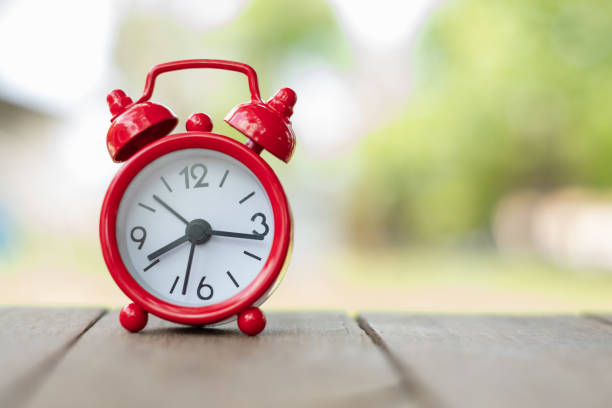
Sleeping in on Saturday feels earned. But to your body, a two-hour delay is a lot like changing time zones. It can take about a day to adjust for each hour you shift — so lying in until 9 AM on Sunday may leave you feeling off until Tuesday.
A fair compromise: allow yourself twenty to thirty extra minutes on weekends, but keep the same alarm. If you drift further, snap back the very next morning. A slightly rough wake on Sunday beats a luxurious sleep-in followed by a brutal Monday.
Stop asking "What time should I go to bed?" Start asking "What time can I reliably get up?" The rest usually falls into place.
— General sleep habit guidanceSet one alarm at your chosen time and put your phone across the room so you have to stand up to turn it off. Spend the first five minutes in outdoor light, even if you feel sluggish. Over two to three weeks, many people find evening tiredness may align more closely with their target bedtime — results vary.
Track whether you got up on time, not how many hours you slept. A simple calendar note — "up at 6:45" — builds awareness without the stress of sleep apps. You are aiming for a steady rhythm, not a perfect score.
Our guides explain everyday sleep habits in plain language. For professional or clinical sleep concerns, use these Australian sources:
Sparkfreshae.ddd is an independent educational website. We are not affiliated with the organisations above unless we say so in writing.
Yes. You will feel tired, but keeping your wake-up time protects your routine. Go to bed a bit earlier the next night instead of sleeping in.
If you regularly wake near your target time without an alarm, that is a good sign your routine is working. Keep a backup alarm during changes or after disrupted nights.
Teenagers naturally lean toward later nights and later mornings. Full adult-style rigidity may not suit every teen, but cutting down on huge weekend lie-ins still helps. Look for age-appropriate school sleep resources if needed.
